
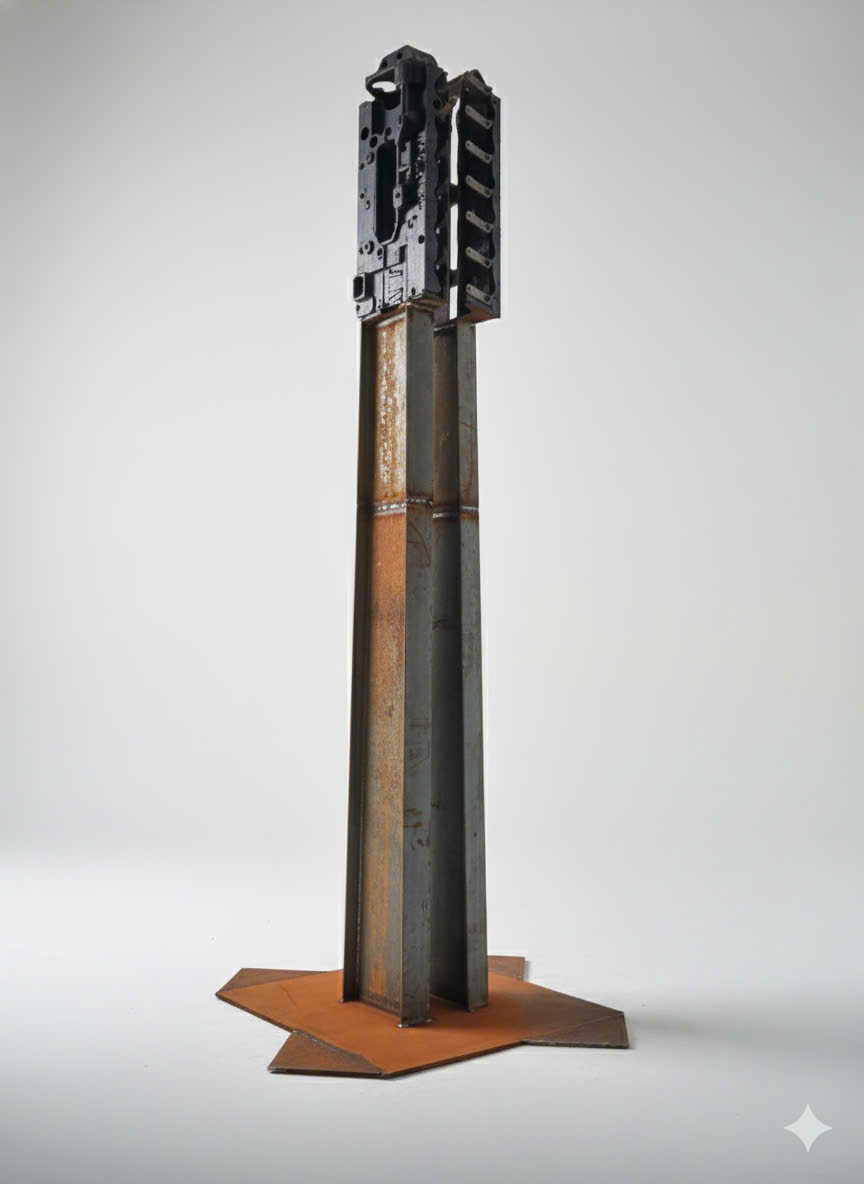
Tác phẩm cao 4,5 m.
Trên chóp là động cơ của xe đảo rác Backus trộn compost để lên men và sàng lọc thành phân hữu cơ. Hai cột tháp lấy chính từ ngôi nhà ủ phân đã ngã xuống nay trổi dậy kết hợp lại với cỗ máy thuở xưa, đầy nội lực để giải oan cho hàng trăm nghìn tấn rác.
Trong bóng tối lâu rồi bỗng nay ra ngoài ánh sáng lạ; có trải qua trăm năm cũng xin trơ gan cũng tuế nguyệt.
Tác phẩm cao 3,2 m.
Như một đóa hoa nở rộ trong lòng đêm dạ lan, chiếc bàn lệch tâm ở trên cao là hộp số vòng bi Sumitomo với phần giữa là cốt hộp số của Bag breaker machine thực hiện nhiệm vụ xé toạt các bao rác to của nhà hàng ,quán ăn trong Thành phố. Các lá xích bên dưới đẩy hệ thống băng tải đưa vào dây chuyền sàng lựa tách hữu cơ làm phân bón cho cây trồng và làm hạt nhựa tái sinh.
Vẻ đẹp của vệ nữ ở khắp mọi nơi, trên cả vòng tay ôm, ra ngoài tầm nhìn đêm ngày của nhân thế.
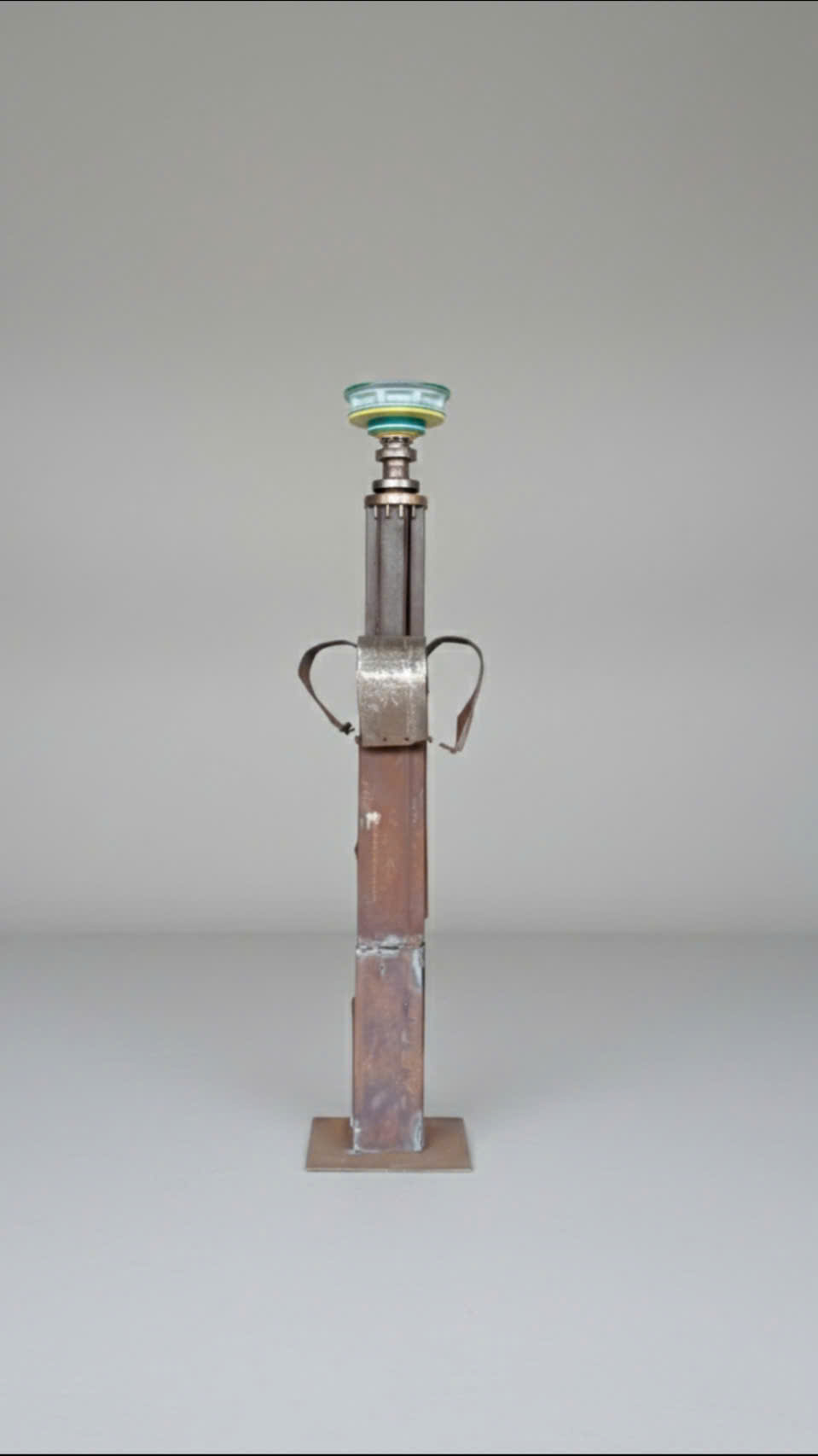
Tác phẩm cao 2,8 m.
Tác phẩm đứng thẳng như một chiếc bàn không dành cho thân thể, mà cho lời nói. Chân bàn là lá xích băng tải—từng kéo rác đi qua những vòng phân loại lặp lại.
Thân bàn, như thể bị xẻ đôi, là hộp số của máy Discreen: nơi rác được phân biệt, hữu cơ trở về đất, nhựa đi vào một đời sống khác.
Khi rời khỏi công năng, các bộ phận không còn vận hành. Chúng đứng yên, giữ thăng bằng cho một khoảng dừng — nơi con người có thể dựa vào, lắng nghe, và trò chuyện.
Bàn Con Để Ngồi Tâm Sự là một đề nghị thầm lặng: rằng ngay cả những hệ thống nặng nề nhất cũng có thể trở thành chỗ tựa cho sự cảm thông.
The artwork is 2.7 meters tall.
The table is a fusion of chain plates from a 90-meter conveyor—which carries waste from the receiving station to the trommel screen—combined with a drive shaft from a retired Skid Loader and a Sumitomo reduction gearbox that has reached the end of its service life. The table can rotate, yet it remains beyond your reach and mine. It sits high above, like a guardian deity watching over a world in constant flux.
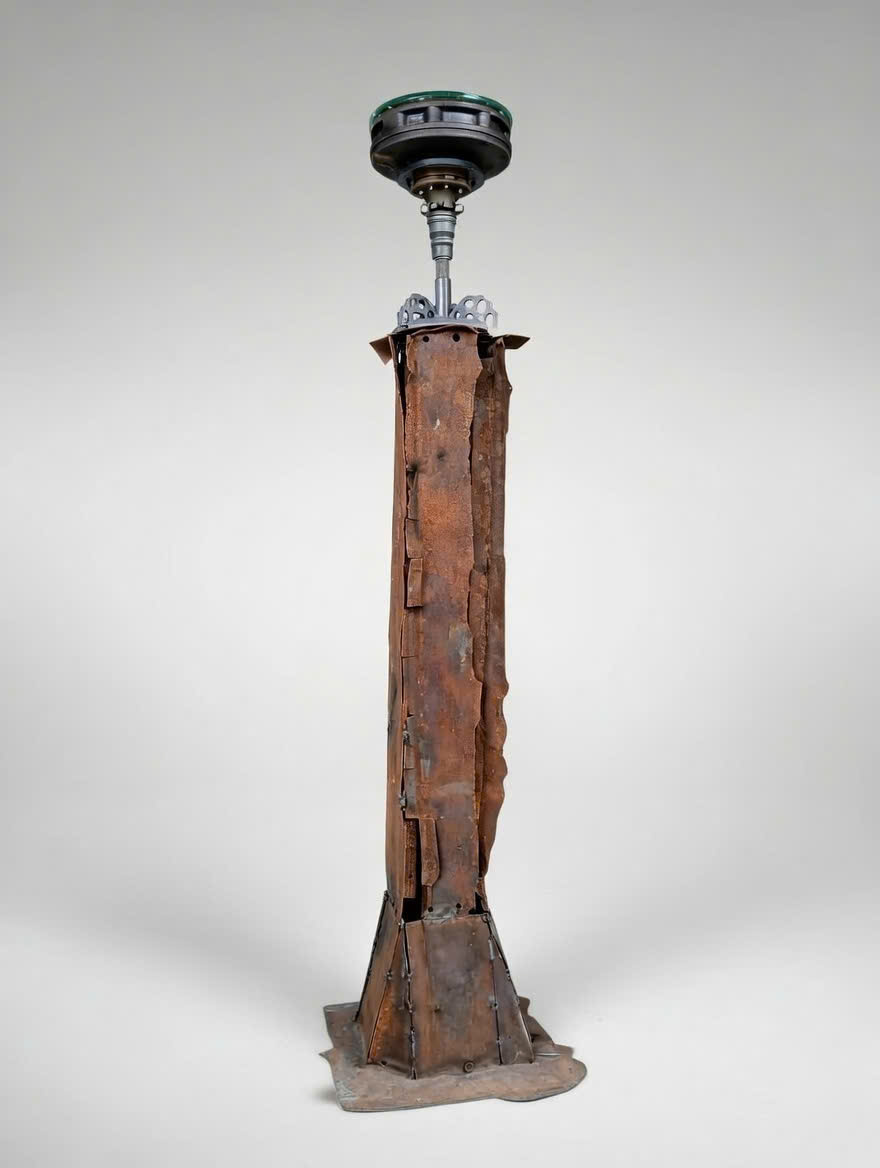
The artwork is 2.8 meters tall.
This sculpture is made from the gearbox of an 80-meter conveyor system that once carried organic waste from sorting lines to the composting facility, where it was transformed into fertilizer for agriculture.
Reassembled vertically, the machine is no longer in motion. It becomes a pause—a small table for quiet attention. From this imagined seat, one watches fertilizer trucks leave the plant, crossing provinces, carrying with them time, labor, and the slow work of renewal.
A moment of tea within a long cycle of care, endurance, and return.
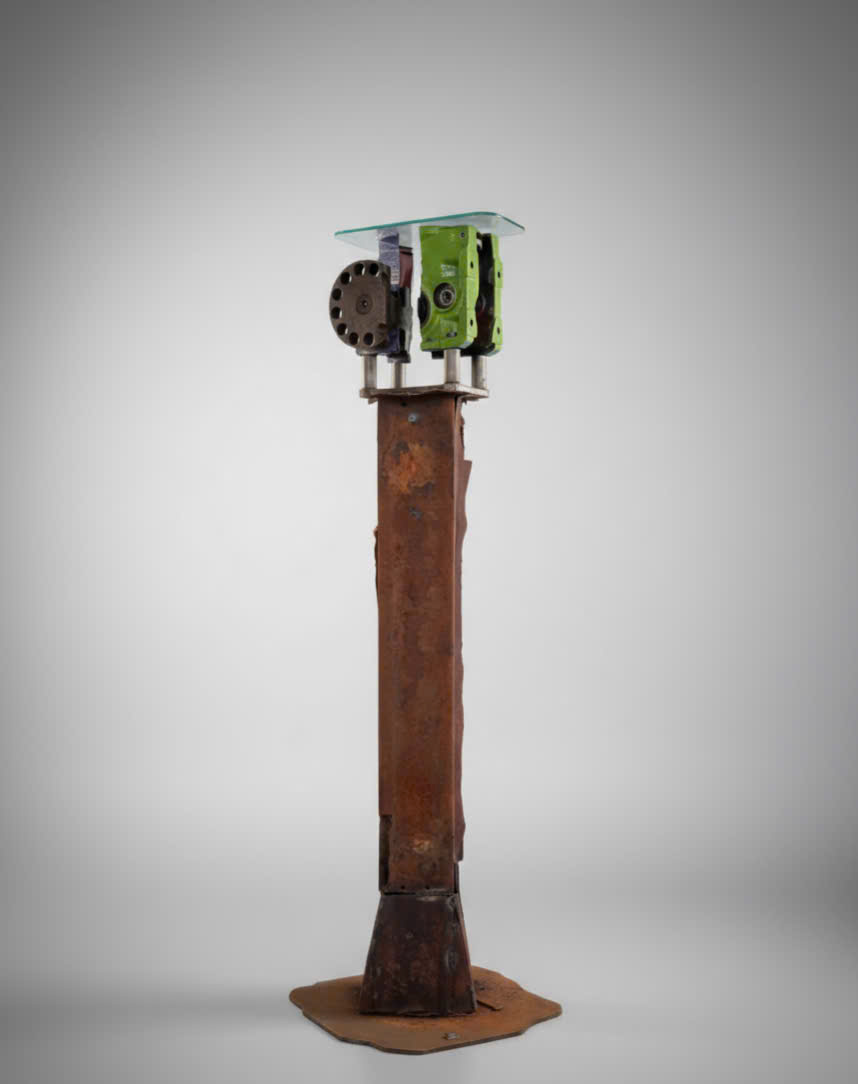
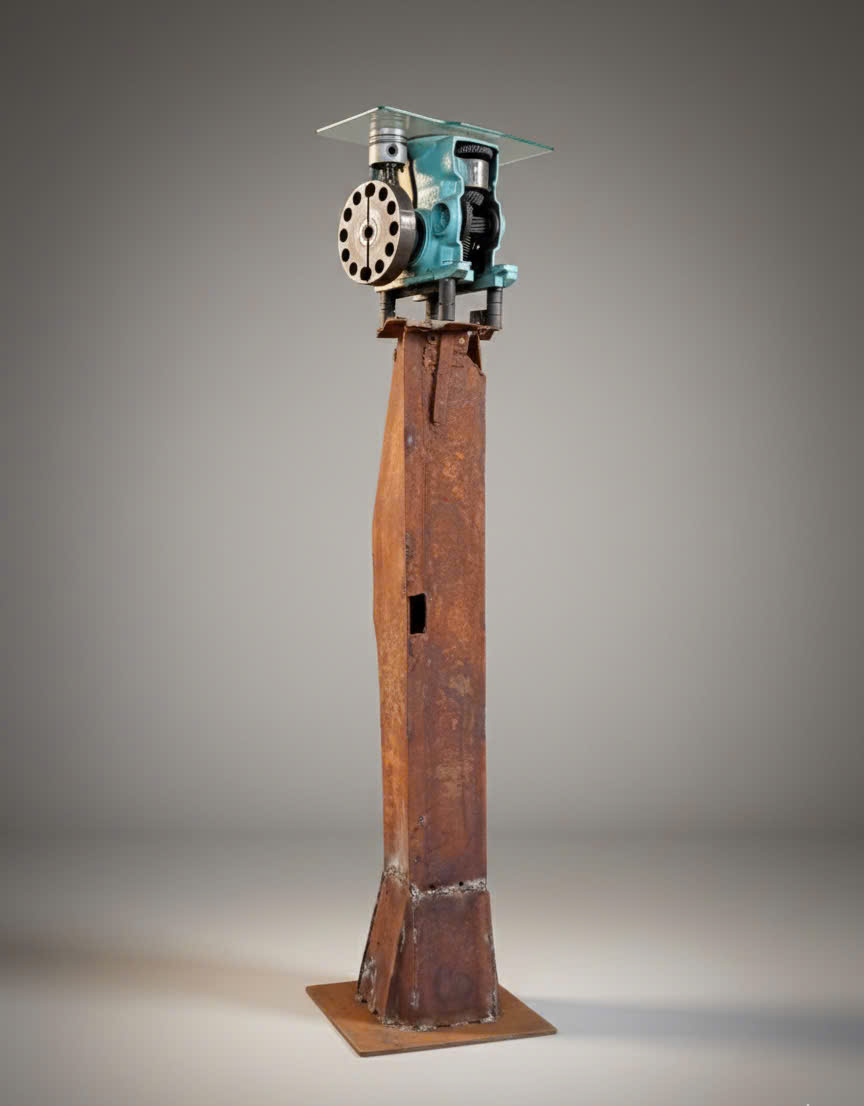
The artwork is 2.7 meters tall.
This vertical sculpture brings together two reclaimed industrial elements into a single, quiet axis. The air compressor head once powered sludge dewatering in a wastewater treatment station, while the chain conveyor paddle below transported municipal waste into sorting lines.
Removed from their original function, these components no longer compress or carry. They stand suspended between stillness and motion—suggesting a table that turns without turning.
Unturnable Turning Table reflects on the unseen intelligence of infrastructure and the small, continuous mechanisms that shape the cycles of waste, water, and care in urban life.
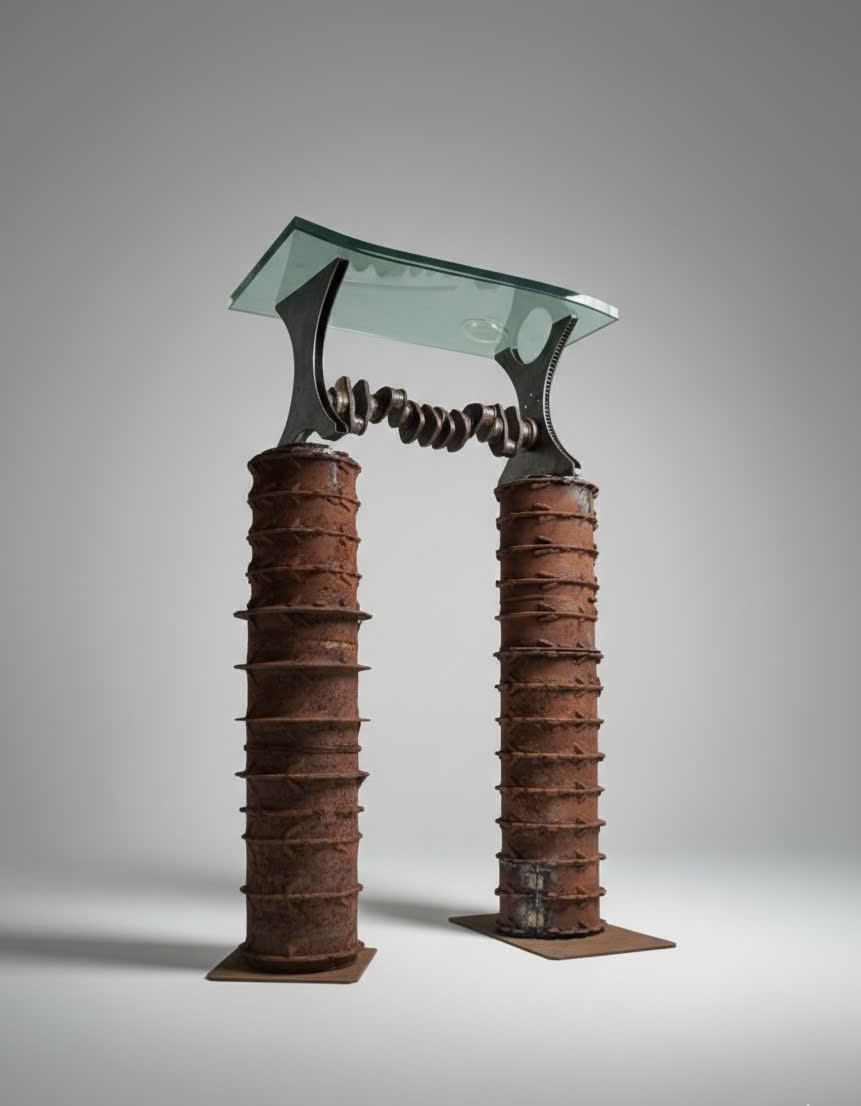
The artwork is 3.5 meters tall.
This table is assembled from components that once carried the weight of a city. Waste-pushing shafts, crankshafts, crusher frames, and conveyor chains—mechanisms that quietly processed, sorted, and regenerated millions of tons of waste over more than fifteen years.
Reconfigured as sculpture, all movement comes to a halt. The machine no longer labors; it stands as a silent witness. There is no refuge beneath this table—light passes freely through its body, exposing the underlying structure in full.
The work marks a shift from function to responsibility, from industry to environmental ethics, where truth is held accountable.
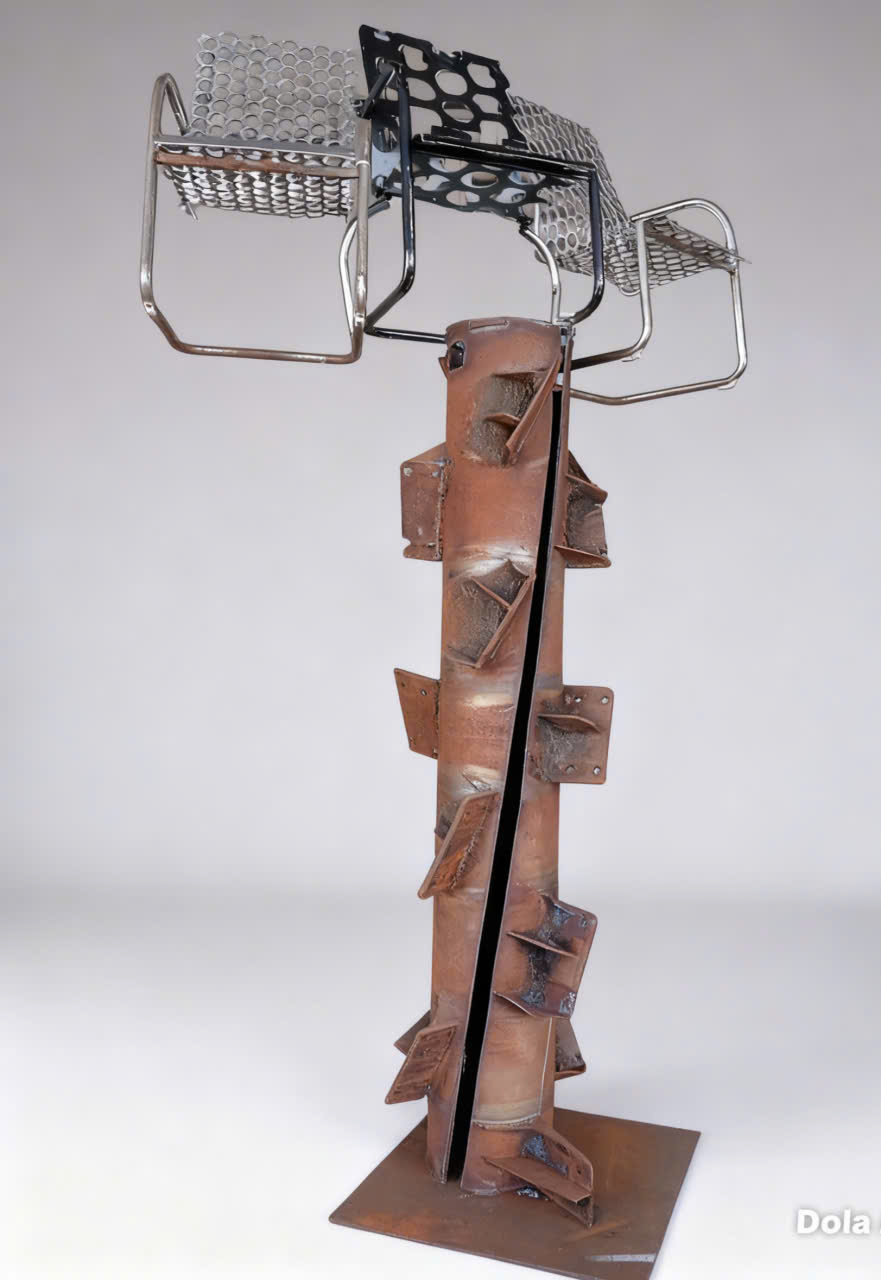
Tác phẩm cao 3,3 m.
Ba ngai vàng từ phế liệu. Chân cột là trục máy phóng tách nilon trong dây chuyền phân loại rác sinh hoạt. Ghế giữa là lưới inox của trống sàn Sorting để phân loại hữu cơ lớn từ 100 mm trở xuống (cam,xoài, chanh…). Hai ghế bên là lưới sàn tách hữu cơ kích cỡ nhỏ để làm phân compost. Khung ghế lấy từ phế liệu ghế cũ bỏ đi trong nhà máy.
Có một vết nứt hẹp nhưng rất dài cho ánh sáng len lỏi rọi vào, giải thoát những hồn linh thôi ngụp lặn trong rác thải, hiển hiện thành ba ngôi lơ lửng trên cao.
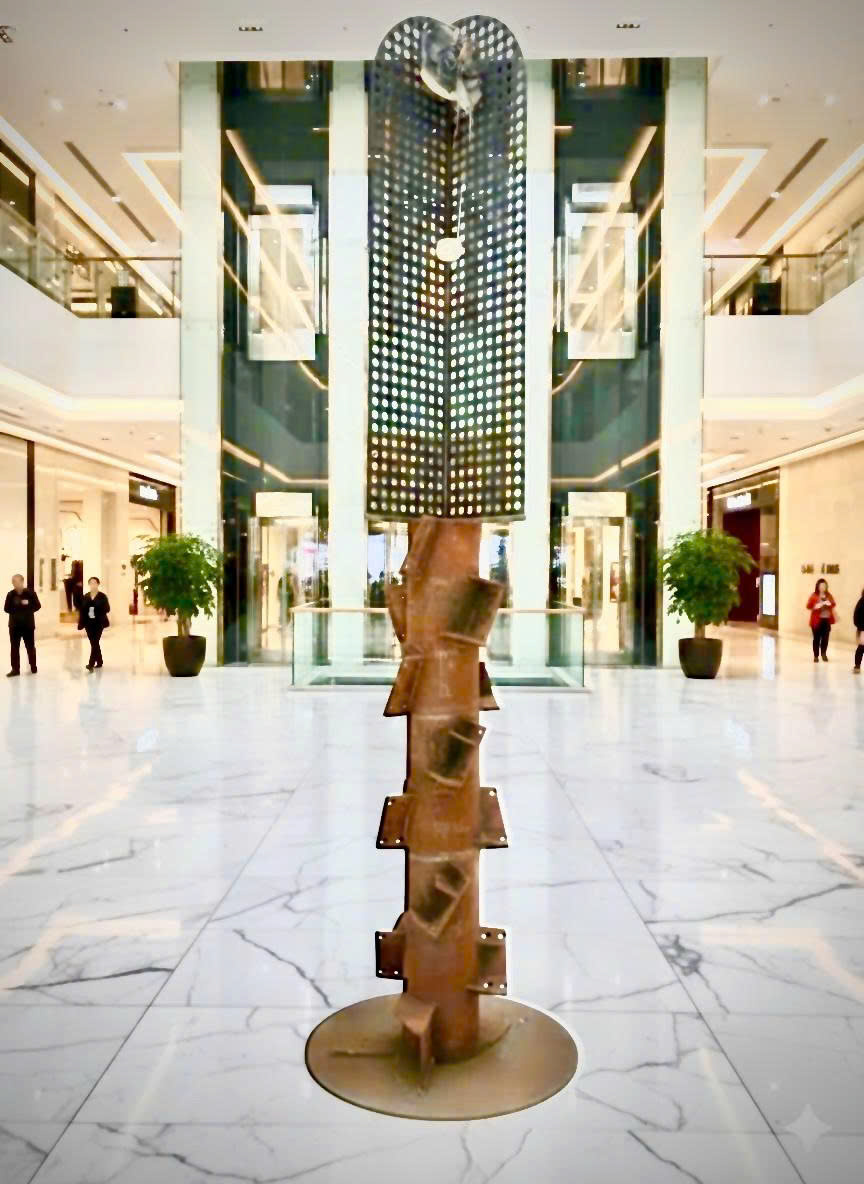
A 5-m tall art work from rejects by the Vietstar Group.
Installed in the main hall of The Student Cultural House at Viet Nam National University Ho Chi Minh City, this work was created by the Vietstar Group for the of Rejoice and Refuse Festival – March 2026. It invites the city’s residents to pause, look up, and read time differently—to feel how love, like time, is moving faster than usual.
The sculpture is composed of two reclaimed industrial elements, reassembled into a vertical totem.
The base column is a discarded tumbling shaft—a core mechanical axis once used in waste-sorting systems. Though rarely noticed, this ingenious component plays a vital role in reducing plastic waste in everyday life. It works quietly to separate organic matter from HDPE and LDPE plastics in household waste from Ho Chi Minh City and neighboring provinces, transforming refuse into recycled plastic pellets and compost. In this work, the shaft stands upright, stripped of motion yet full of memory—an invisible laborer finally brought into view.
Rising above it is the tower clock, constructed from a perforated steel floor grid originally used to separate organic materials in waste-processing lines. Embedded within the grid is a real clock—an object deeply connected to the Vietstar plant since its earliest trial operations, when the first tons of waste were processed. For over fifteen years, this machine operated on the factory floor, hooking, scraping, recycling.
Now, it returns as a clock.
It ticks slightly faster than normal, echoing the rhythm of a grandfather’s clock—a reminder passed down through generations. Time here is no longer neutral. It accelerates, urging reflection: What are we consuming? What are we leaving behind? How much time do we truly have?
By reviving industrial remnants as poetic form, the work collapses the distance between machine and memory, waste and care, labor and love. It stands not as a monument, but as a question—quietly asking its viewers to reconsider their relationship with time, responsibility, and the unseen systems that sustain urban life.
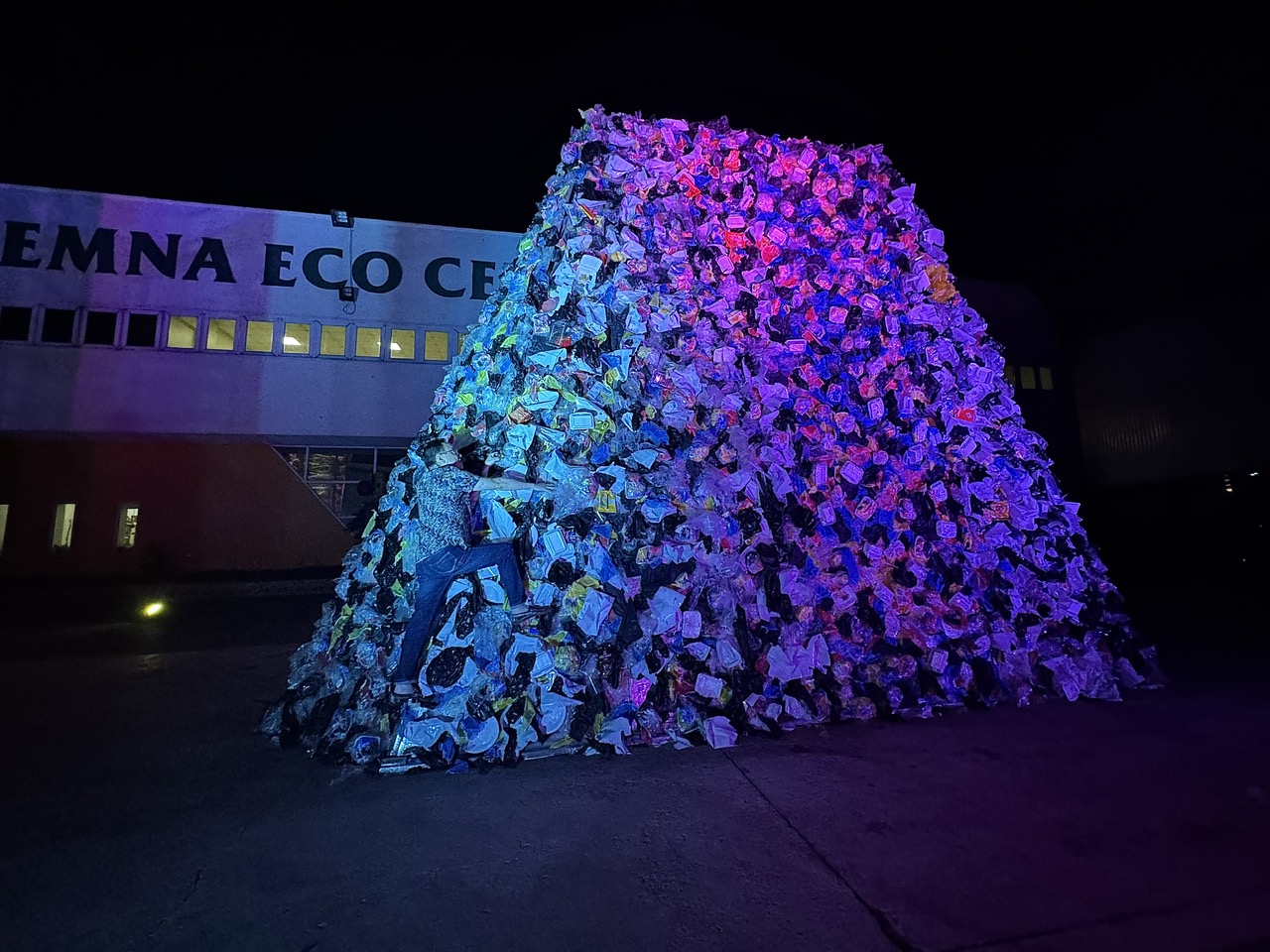
Núi rác nhựa thải tràn ra sông ra biển.